

Selling a home can already feel like a big undertaking — add a Home Equity Line of Credit (HELOC) into the mix, and many homeowners in Tampa, FL wonder: is it even possible to sell? The good news: yes — you can sell your house with a HELOC. It’s just that the sale process requires some extra steps, clarity, and planning to ensure everything goes smoothly.
In this article, I walk you through everything you need to know when selling a home with a HELOC: what a HELOC is, how it affects the sale, the exact steps involved, what to watch out for (especially if you’re underwater), and how to avoid common pitfalls. Let’s dive in.
What Is a HELOC?
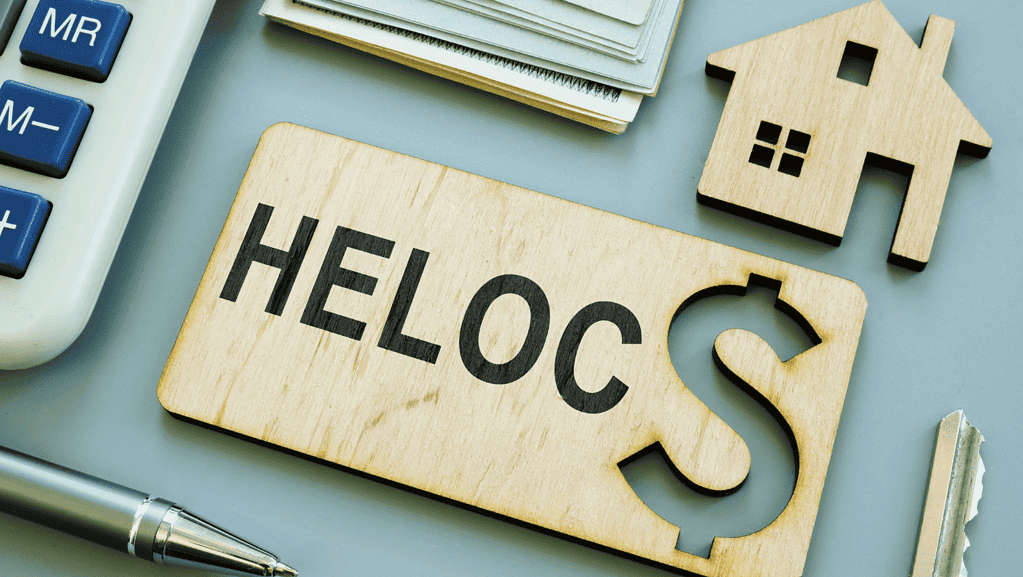
Definition & Basics
A HELOC is a type of home‑secured loan that gives you a revolving line of credit against the equity in your home. Unlike a traditional lump‑sum home equity loan, a HELOC works more like a credit card — you borrow as needed (up to a limit), repay (or just pay interest during a “draw period”), and the line remains open for a certain duration.
Key characteristics:
- Revolving credit line: You don’t receive a lump sum upfront; you draw as needed (up to your limit).
- Secured by your home: The house serves as collateral. Because of that, a HELOC is recorded as a lien (legal claim) on your property.
- Interest / repayment terms: HELOCs often come with variable interest rates, and repayment structure may vary — sometimes interest-only during draw period, then principal + interest later.
Because a HELOC is tied to your house, anything that changes ownership (like selling) triggers the need to settle that loan.
How Does a HELOC Affect the Sale of Your House?
HELOC = A Lien on the Property
A lien is a legal claim. When you take out a HELOC, the lender records a lien against your home. This means that before the title can transfer to a new buyer, any existing liens (mortgage, HELOC, etc.) must be cleared.
Sale Is Possible — But Debts Must Be Cleared
In simple terms: yes, you can absolutely sell even with a HELOC. However, the sale proceeds must pay off ALL debts tied to the property — your first mortgage, the HELOC (if drawn), any other liens — before the new owner can receive clear title.
That means the HELOC doesn’t block you from listing, showing, or accepting offers. But it does affect the net proceeds you walk away with. Any outstanding balance reduces your profit. To learn more about clearing liens during sale, refer to Investopedia’s guide on mortgage liens.
Steps to Sell Your House With a HELOC in Tampa, FL
Here’s a detailed roadmap to follow if you’re selling your house with a HELOC in Tampa.
1. Determine Your Outstanding HELOC Balance
- Contact your HELOC lender to request a payoff statement — this shows the exact amount owed (principal + interest + any fees).
- Keep in mind that the amount can change slightly if the closing is not immediate (due to accruing interest).
2. Assess Your Home’s Current Market Value
You need to know roughly how much your house can sell for. This helps you decide if sale proceeds will cover all debts (mortgage + HELOC) and still give you equity.
| Method | What You Get | How to Do It |
|---|---|---|
| Comparative Market Analysis (CMA) by local realtor | Estimated sale price based on recent nearby sales | Work with a Tampa real estate agent |
| Professional Appraisal | Market value; recognized by lenders/buyers | Hire a licensed appraiser |
| Online Home Value Estimator | Quick rough estimate | Use online tools (just for ballpark) |
3. Compare Sale Proceeds vs Outstanding Debts
- Add up all debts secured by the house: first mortgage, drawn HELOC balance, any second mortgages or liens.
- Compare against estimated sale price.
If proceeds exceed debts → you have equity, and sale can move forward smoothly.
If proceeds are not enough → you may need to bring cash to closing, or consider alternatives (see below).
For more on how sale proceeds and debts work, refer to Ramsey Solutions’ article on selling your home to knock out debt.
4. Decide When / How to Pay Off the HELOC
Usually, the payoff is handled at closing:
- The buyer’s funds go into an escrow or through a title/closing agent.
- The closing/title company obtains a payoff statement from the HELOC lender and uses part of the sale proceeds to pay off the HELOC.
- Any remaining proceeds go to you (seller).
Alternatively, you may choose to pay off the HELOC before listing — though that requires having cash on hand. Some people do this to simplify the sale and possibly improve their net equity picture.
5. Close the Sale, Clear the Liens, Transfer Title
Once debts are cleared (mortgage + HELOC + any others), the title can be transferred to the buyer, and sale proceeds distributed to you.
What If You’re “Underwater”? (Home Value < Outstanding Debts)

In some situations — for example, if property values dropped or you owe a lot — sale proceeds may not cover your debts. That can complicate a sale when a HELOC is involved.
Here are common options if you face a shortfall:
Short Sale
- You sell the home for less than what you owe.
- Requires approval from both your mortgage lender and HELOC lender, because both have liens.
- Lenders may agree to accept payoff of sale proceeds as full settlement — but this can have negative credit consequences and may be stressful to negotiate.
Bring Extra Cash to Closing
- If you have savings or other funds, you pay the difference so liens can be cleared and sale closes.
- This ensures title clears, but you need liquidity.
Delay the Sale / Pay Down Debt First
- You could wait, build more equity, pay down the HELOC, improve home value or refinance.
- This can give you breathing room and make sale more feasible — though may not fit if you need to sell urgently.
What Happens at Closing: HELOC, Liens, and Sale Proceeds
When you sell a house with a HELOC, here’s typically what happens at closing:
- The title company or closing agent orders payoff statements from all lien holders — mortgage lender, HELOC lender, others.
- Buyer’s funds go into escrow.
- From escrow, required amounts are disbursed: first mortgage is paid off first (senior lien), then HELOC (junior lien), then other liens if present.
- After debts are cleared, any remaining proceeds go to you (seller).
Example:
Suppose:
- Sale price: $350,000
- Primary mortgage balance: $200,000
- HELOC balance: $40,000
Then:
- $200,000 goes to first mortgage lender
- $40,000 pays off HELOC
- Remaining $110,000 goes to you (minus closing costs, agent fees, taxes, etc.)
If sale price is lower (say $220,000), you only have $20,000 to pay HELOC and other costs — likely not enough → you’d need extra cash or renegotiate with lender.
For more on closing costs and how they affect the net proceeds, check out The Closing Disclosure by the Consumer Financial Protection Bureau.
Common Questions & Concerns for Sellers with HELOC
Q. Is having a HELOC going to stop me from selling?
No. A HELOC doesn’t prevent you from listing or selling your home. It simply means any outstanding balance must be settled before or at closing.
Q. Do I have to pay the full line of credit, even if I didn’t draw on it?
No. You only owe what you borrowed plus accrued interest/fees. If you never drew money, then effectively there’s no balance to clear.
Q. What if home sale proceeds aren’t enough to pay off HELOC + mortgage?
Then you may need to bring extra cash, negotiate a short sale, or delay selling until you have more equity or reduced debt.
Q. Will I lose my HELOC when I sell?
Yes — once the property sells and title transfers, the HELOC lien is removed. The line of credit was tied to that property.
Q. Any fees or penalties for paying off HELOC early?
Possibly. Some HELOCs impose prepayment penalties or early termination fees — important to check your agreement. These fees would be due at payoff, reducing your net proceeds.
Special Considerations for Sellers in Tampa, FL
While the HELOC process is largely the same across the U.S., a few factors make local context relevant — and beneficial — if you’re selling in Tampa:
- Florida real estate market dynamics: Tampa’s housing market may fluctuate due to seasonal demand, economic factors, and region‑specific nuances. An accurate home appraisal or CMA is key before assuming sale proceeds will clear all liens.
- Title company and closing agents familiar with HELOCs: Since HELOCs are common, many local Tampa title companies and closing agents are experienced with handling payoff logistics — helping make the process smoother.
- Local property taxes, closing costs, and fees: In Florida, property taxes and other closing‑related fees may differ from other states — factor these into your “net proceeds” calculation.
- Realistic pricing strategy: Given outstanding liens, older mortgages or large HELOC balances, pricing should reflect local comps and your equity situation, not just “ideal profit.”
Mistakes to Avoid When Selling with a HELOC

Based on common issues homeowners face, here are pitfalls to avoid — and best practices to follow.
Mistake: Listing Without Knowing HELOC Balance
If you list without knowing how much you owe, you risk miscalculating net proceeds — potentially leading to a sale that doesn’t leave you with enough profit (or worse, leaves you owing after sale).
Best practice: Request a payoff statement early. Build your sale plan around confirmed debt amounts.
Mistake: Ignoring Prepayment Penalties or Early‑Payoff Fees
Some HELOC agreements include fees or penalties for early payoff. Forgetting them can reduce your net profit unexpectedly.
Best practice: Review your HELOC terms carefully or call your lender to confirm any fees. Include them in your closing cost calculations.
Mistake: Overestimating Home Value or Equity
Assuming your home will sell for peak market prices — without considering condition, market trends, or comps — can lead to being underwater at sale time.
Best practice: Use realistic appraisals or CMA from local agents. Price conservatively, especially if you owe a lot.
Mistake: Skipping Professional Help or Title/Closing Agent
Trying to DIY the payoff process increases the risk of title issues, delayed closing, or overlooked fees.
Best practice: Use experienced closing agents or real estate attorneys — especially ones familiar with HELOC and lien payoffs.
What If You Can’t Pay Off HELOC — Alternatives & Strategies
Selling a home with a HELOC becomes tricky if you don’t have enough equity. Yet, there are alternative strategies to consider.
Short Sale
If the combined debts (mortgage + HELOC + other liens) are greater than what you expect to get from sale:
- Approach both lenders (first mortgage and HELOC) and ask if they’d accept a short sale.
- Negotiate terms where the sale proceeds serve as final payoff.
- Be aware this may have credit consequences and may involve negotiation.
Delay Sale & Pay Down Debt
If you’re not in a hurry, wait, make payments to reduce HELOC balance, or pay it off entirely before selling. This improves your equity and sale viability.
Refinance or Consolidate
If conditions allow — maybe refinance your first mortgage, or restructure debt — to reduce total debts before attempting sale.
Bring Cash to Closing
If you have savings or other liquid assets, you may need to add funds at closing to cover shortfall so title can transfer.
Moving Forward with Selling a House that Has a HELOC in Tampa, FL
Selling a home with a HELOC is entirely possible, but it comes with important considerations. The main requirement is that all outstanding debts tied to the property — including the HELOC balance — must be settled before the sale is finalized. The sale proceeds will first cover any mortgages, liens, and the HELOC balance. Only after these debts are cleared can you walk away with any remaining profit.
If you have equity in your home, the process is straightforward: the closing agent or title company will handle the HELOC payoff at closing, and you will receive the remaining proceeds. However, if the sale price doesn’t cover the total debts, you may need to explore alternatives such as a short sale, adding extra funds at closing, or waiting until you’ve reduced your debt.
With proper planning, understanding the necessary steps, and working with professionals, selling your house with a HELOC in Tampa can be a manageable and successful process.