

The Challenge of Selling an Inherited Property
Inheriting a house can feel like a blessing — and a burden. Emotionally, it can bring back memories, grief, or family complexity. Practically, an inherited home often comes with unanswered questions: Do you need to renovate? How long will a sale take? What paperwork is involved?
Selling the house “as‑is” — accepting it in its current condition without making repairs or improvements — can often be the fastest, least stressful route for heirs who want to liquidate quickly, avoid carrying costs, and move forward without the hassle of renovations or traditional market delays.
This guide walks you step by step through selling an inherited house in Tampa, Florida “as‑is” — from understanding the legal process to maximizing speed, avoiding common pitfalls, and making informed decisions along the way.
What Does Selling “As‑Is” Mean?
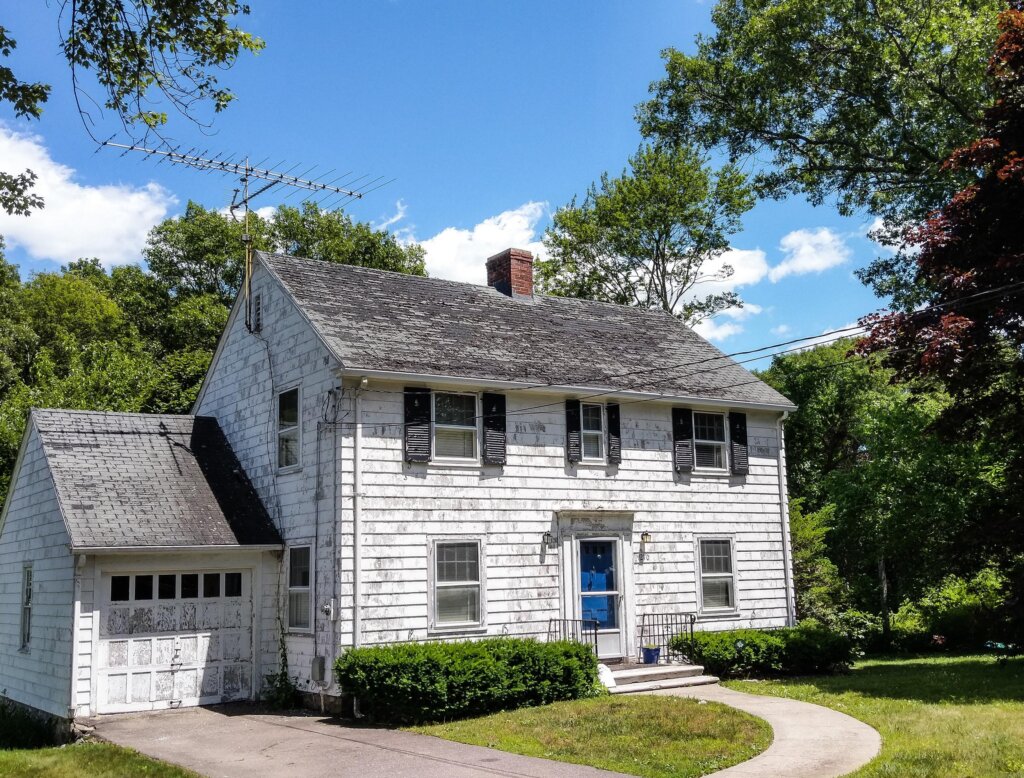
Definition
When you sell a property “as‑is,” you are offering it in its current state, without making any repairs, improvements, or cosmetic updates. The buyer agrees to accept all flaws — visible or hidden — and takes on the responsibility for any necessary renovation or maintenance once ownership transfers.
From the seller’s side, “as‑is” means:
- No investments in repairs, cleaning, staging, or inspections.
- No waiting for contractors or dealing with renovation delays.
- Transparent disclosure of the property’s condition (as required by law). For more detailed information on the specific disclosures required in Florida, you can refer to this Florida Home Sellers Disclosure Guide.
From the buyer’s side (often a cash buyer or investor), it means a discount compared to market value — but also a quicker sale and fewer contingencies.
Why Sellers Often Choose “As‑Is”
- Convenience & Speed: Skipping repairs and updates dramatically reduces time to sale.
- Lower Effort & Cost: Avoids expenses like materials, labor, permits, staging, and time investment.
- Emotional Relief: For many heirs, keeping a house in limbo can be emotionally draining — selling fast gets closure.
- Avoiding Market Uncertainty: If the house needs major repairs, listing it traditionally could scare off most buyers or result in long hold times.
Why Sell an Inherited House in Tampa “As‑Is”?
Tampa, FL comes with its own set of circumstances that often make “as‑is” cash sales a smart move for inherited properties:
- Many inherited houses must go through probate before legal ownership is transferred to heirs — a process that can take months. For an overview of the Florida probate process, you can visit Nolo’s Guide to Probate in Florida.
- Maintenance & Upkeep Costs: As an heir, you may not live locally — and vacant houses accumulate costs (taxes, insurance, upkeep, HOA fees, utilities).
- Uncertain Condition or Needed Repairs: Older homes, homes in disrepair, or homes needing major work are often difficult to sell through traditional listing. Trying to fix them can cost money and take time.
- Need for Fast Cash: Many heirs want to settle estates quickly, pay down debts, or simply convert the inherited asset into cash without delays.
- Simplified Process with Cash Buyers / Investors: Cash buyers or investors often accept “as‑is” homes, handle all clean-up/repairs, and close faster than traditional buyers.
If you want to know more about how selling as-is can help you sell your inherited house quickly, check out our detailed guide on How to Sell an Inherited House Fast in Tampa, FL.
Steps to Sell an Inherited House in Tampa “As‑Is”
Here’s a detailed step‑by‑step roadmap to sell your inherited Tampa home quickly and as‑is.
Step 1: Confirm Legal Ownership & Understand Probate (if needed)
Probate or Title Transfer
In Florida, many inherited properties must go through the Probate process before legal ownership is transferred to heirs. Probate verifies the will (or handles intestacy), pays debts, and ensures proper asset distribution.
Key details:
- Probate ensures that all creditors’ claims are settled before property is distributed.
- The process may involve formal administration, summary administration, or other pathways depending on estate size, presence of a will, and other factors.
- Estates requiring formal administration often take 6–12 months, though smaller or simpler ones may close sooner.
- Summary administration (for eligible estates) can be faster — sometimes only a few months.
What you must do:
- Obtain a certified death certificate.
- Secure the will or trust documents, or if no will exists, ensure proper documentation under Florida’s intestacy laws.
- If you are named executor (or personal representative), gather Letters of Administration / Letters of Testamentary — court‑issued documents granting you the legal right to sell.
Important: Until probate is complete (or you have legal authority via the will/trust), you typically cannot legally sell the property.
If the property was held in a trust, or via a transfer-on-death deed / special beneficiary deed, different rules may apply — in some cases bypassing probate.
Step 2: Get a Realistic “As‑Is” Valuation
Once you have legal authority to sell, you’ll want to know what the property is worth “as‑is.” This determines what you can reasonably expect to get from a cash buyer or investor.
How to Estimate Value
| Method | Pros | Cons |
|---|---|---|
| Comparable Sales (Fixer / As‑Is Homes Nearby) | Reflects real market value for similar homes in similar condition | Hard to find truly comparable “as‑is” sales — many sales are for renovated homes |
| Cash‑Buyer / Investor Offers | Reflect what you realistically get if you want a fast cash sale | Usually lower than retail listing value (discounted for repairs, risk, investor margin) |
| Professional Appraisal | Gives a documented fair market value — good for probate or tax purposes | Appraisals usually assume a “market-ready” home (not “as‑is”), so you may need to adjust for repair costs |
| Online Estimators / Home Value Tools | Quick, free, easy to use | Often inaccurate, especially for homes in need of repair or with unique issues |
Best practice: Use a mix — check recent comparable “as‑is” sales, get a rough valuation from a cash buyer, and optionally get an appraisal (if wanting a baseline). Always adjust for likely repair or renovation costs.
Realistic “as‑is” value helps set expectations, avoid lowball offers, and negotiate more confidently.
Step 3: Choose the Right Selling Strategy — Cash Buyer / Investor
If time — not maximum profit — is your priority, selling to a cash buyer or real estate investor is usually the fastest route. Here’s why it’s often ideal for inherited homes “as‑is”:
- Investors buy regardless of condition — whether the house needs repairs, has old appliances, or contains old furnishings.
- Cash sales typically avoid financing delays, appraisal fall-throughs, or financing contingencies that slow traditional buyers.
- Many investors offer to handle clean-up, minor repairs, even title issues or liens — saving you time, headaches, and additional costs.
- Closing can happen in days (often as fast as 7–14 business days) once terms are agreed upon.
This route is especially appealing when:
- You don’t live locally (out-of-state heir).
- The home needs costly repairs that you don’t want to finance.
- You’re under time pressure (e.g., estate settlement, tax deadlines, financial obligations, moving).
- You prefer a no‑hassle, “clean” transaction over maximizing sale price.
Step 4: Gather and Prepare All Necessary Documents
Even when selling “as‑is” for cash, you still need to have your paperwork prepared and organized. This reduces delays and avoids legal or title complications.
Essential Documents & Information
- Certified death certificate of the deceased.
- Original will or trust documents (or proof under intestacy law, if no will).
- Court‑issued Letters of Administration / Testamentary or trust certification — proving your legal right to sell.
- Property deed and title history — showing ownership, legal description, liens, mortgages, or encumbrances.
- Mortgage statements, property tax records, HOA documents (if applicable) — if accumulated debts or HOA obligations exist, these may need resolving before sale.
- Inspection or disclosure reports (optional) — while cash buyer often accepts as-is, having a basic disclosure or inspection may prevent surprises/trouble down the line.
Pro tip: Keep multiple certified copies of death certificates and other legal papers. That avoids delays if documents are lost or additional parties (co‑heirs, title companies) request extras.
Pros and Cons of Selling Inherited House “As‑Is” for Cash
Here’s a clear breakdown to help heirs make informed decisions:
| Pros | Cons |
|---|---|
| Quick Sale — closures often in days/weeks instead of months | Lower Sale Price — cash buyers offer less than retail market value due to risk, repair costs, and investor margin |
| Zero Repair or Renovation Costs — you avoid costly repairs, upgrades, staging | Potentially Less Profit / Equity Left on Table compared to a repaired & staged listing |
| Fewer Hassles: No open houses, no showings, no staging, no tenant issues | Smaller Buyer Pool — cash buyers/investors only; traditional buyers may be uninterested |
| Avoid Ongoing Costs — insurance, taxes, utilities, HOA fees, maintenance | Feelings of Regret or Emotional Attachment — heirs may feel they sold too fast or too cheap |
| Simplified Process — less paperwork, fewer contingencies, fewer delays | Hidden Issues May Lower Value — serious structural problems or legal/title issues may still emerge |
Typical Timeline: How Fast Can You Sell?
While every situation is unique, here is a typical timeline for an “as‑is” cash sale of an inherited house in Tampa — from deciding to sell to cash in hand.
| Phase | Estimated Time |
|---|---|
| Confirm legal authority (probate, trust, documentation) | Varies — if probate is required, could be 6–12 months; if trust or deed allows direct transfer, maybe days/weeks. |
| Obtain valuations / investor offers | 1–2 weeks |
| Negotiate & accept a cash offer | A few days (once offers are in) |
| Title check, paperwork, lien/mortgage resolution | 1–2 weeks (if clear) |
| Closing and funds disbursement | Often within 7–14 days after acceptance for cash buyers/investors. |
In ideal scenarios, where the title is clean, documentation is in order, and heirs are motivated — you can go from inherited-property to cash in hand in as little as 2–4 weeks.
That said, if the estate requires probate, legal disputes among heirs, or there are title complications or outstanding liens, the timeline could stretch — sometimes months.
Common Mistakes & Pitfalls — What to Watch Out For
Selling an inherited home “as‑is” may seem straightforward, but heirs often make avoidable mistakes. Here are some common ones to avoid:
- Selling before legal authority is secured. Without probate completion or proper trust/estate documentation, a sale could be invalid or reverseable.
- Accepting the first offer without evaluating fairness. A lowball cash offer may seem attractive for speed — but it’s worth getting a second (or third) offer for comparison.
- Ignoring title issues, liens, or unpaid taxes. These can derail a sale or even result in liability after the sale.
- Underestimating carrying costs. Holding a vacant home for too long can rack up taxes, insurance, utilities, HOA fees, maintenance — sometimes offsetting benefits of quick sale.
- Not clarifying “as‑is” condition in writing. Without clear disclosure and purchase agreement language, disputes about property condition can arise post-sale.
- Failing to coordinate among multiple heirs. If more than one person inherits, all must agree (or a properly authorized representative must act) for a clean sale — disagreements or delays can stall everything.
Alternatives to “As‑Is” Cash Sale — When It Might Make Sense

Selling as-is isn’t always the best option, depending on your goals, time, and finances. Consider these alternatives:
1. Repair & Market Sale (Traditional Listing)
If the house is in reasonably good condition and you’re willing to invest in repairs — cosmetic upgrades, staging, cleaning — you may fetch a higher sale price on the traditional market. This can be especially worthwhile if:
- You’re not in a hurry.
- The expected sale price difference (after repairs) significantly exceeds repair costs.
- You want to maximize value for heirs.
However — this route takes more time, effort, and money, with no guarantee of better outcome.
2. Hold & Rent or Manage as Investment
If the property is in a desirable rental area and you (or a partner) are willing to manage or outsource management, holding it as a rental allows for generating income. Some heirs prefer this if they’re not in an emotional hurry, and the rental market is favorable.
Downsides: ongoing management, costs, landlord responsibilities, possible vacancies, maintenance.
3. Sell After Probate But with Minimal Updates
If probate takes some time but the house condition is decent, you can wait until legal ownership is cleared, then do light cleaning/maintenance (paint, landscaping, minor fixes) to make the property more marketable — but still sell relatively quickly, sacrificing minimal time for potentially higher return.
FAQs (Frequently Asked Questions)
1. Can I Sell an Inherited House Before Probate Is Completed?
Answer: Typically, you cannot sell an inherited house before probate is completed. However, if the property is in a trust or has a transfer-on-death deed, you may be able to sell it sooner. Consult an attorney for confirmation.
2. Are There Taxes or Fees When Selling an Inherited House in Florida?
Answer: Yes, you may face capital gains tax based on the property’s value at the time of death, as well as documentary stamp taxes on the deed transfer. There may also be closing costs, like title insurance and attorney fees.
3. What Documents Do I Need to Sell an Inherited House in Tampa, FL?
Answer: You’ll need the death certificate, will or trust documents, Letters of Administration, title deed, and property tax records. These ensure you have the legal right to sell and that the title is clear.
4. How Long Does It Take to Sell an Inherited House in Tampa?
Answer: If probate is required, it can take 6-12 months. Without probate, a sale can close in 7-14 days, especially when selling to a cash buyer or investor.
5. Can I Sell an Inherited House If There Are Liens or Unpaid Taxes?
Answer: Yes, but any outstanding liens or unpaid taxes will need to be resolved before the sale. Cash buyers are often more willing to purchase properties with these issues but may offer a lower price.
Is Selling “As‑Is” the Right Choice for You — When It Makes Sense
Selling your inherited house in Tampa “as‑is” and for cash tends to be the right call when:
- You want speed — to liquidate quickly, avoid maintenance or tax/utility burdens, or distribute assets among heirs.
- The house needs significant repairs — major maintenance, structural issues, old systems, outdated features.
- You don’t live nearby (out-of-state heir) and don’t want to manage cleanup, showings, or renovations.
- You prefer certainty and convenience over maximized profit — trading off some sale price for simplicity, speed, and less stress.
- The estate comes with mortgage, liens, taxes, or other debts — quick cash sale may help settle obligations without dragging ownership responsibilities for months.
On the other hand — if you’re not in a rush, willing to invest some time or money in repairs or maintenance, or believe the home has strong resale potential — then a traditional or hybrid strategy (light upgrades + market listing) may yield more value.
Selling an Inherited House “As‑Is” — A Practical, Fast, Stress‑Free Option
Inheriting a house is rarely simple. It often comes wrapped in emotional complexity, legal requirements, financial obligations, and practical hassles.
Selling the inherited house “as‑is” — especially via a cash buyer or investor — offers a path many heirs find easier, faster, and more certain. You avoid endless repairs, open-house prep, costly renovations, monthly maintenance bills, and drawn-out timelines. Instead, you get a clean sale, often within weeks, and can move forward with cash in hand.
That said — it’s not always the highest‑dollar route. It’s about trade-offs: speed and convenience vs. maximum value.
If you choose this route, do so with full clarity: gather all legal documents, get realistic valuations, compare offers, and pick a buyer/investor who is transparent and experienced.
Selling “as‑is” isn’t about choosing the quick-and-dirty option — it’s about choosing what’s realistic, what brings closure, and what fits your timing, situation, and emotional needs.