

Selling a home is often stressful enough — but when that house has foundation problems, the challenges multiply. Cracks in walls, uneven floors, shifting door frames, or a sagging foundation can drastically reduce a home’s appeal. Many traditional buyers balk at the idea, and financing may be hard to secure.
But having foundation issues doesn’t mean you’re stuck. With the right approach, you can still sell — and sometimes quickly. One of the most effective paths is selling for cash: it avoids many of the common obstacles tied to structural problems. In this guide, we’ll walk you through why foundation issues make selling harder, what your options are, and how to sell fast for cash so you don’t get stuck draining time or money into repairs or ongoing maintenance.
Why Foundation Issues Make Selling Challenging in Tampa (and Beyond)
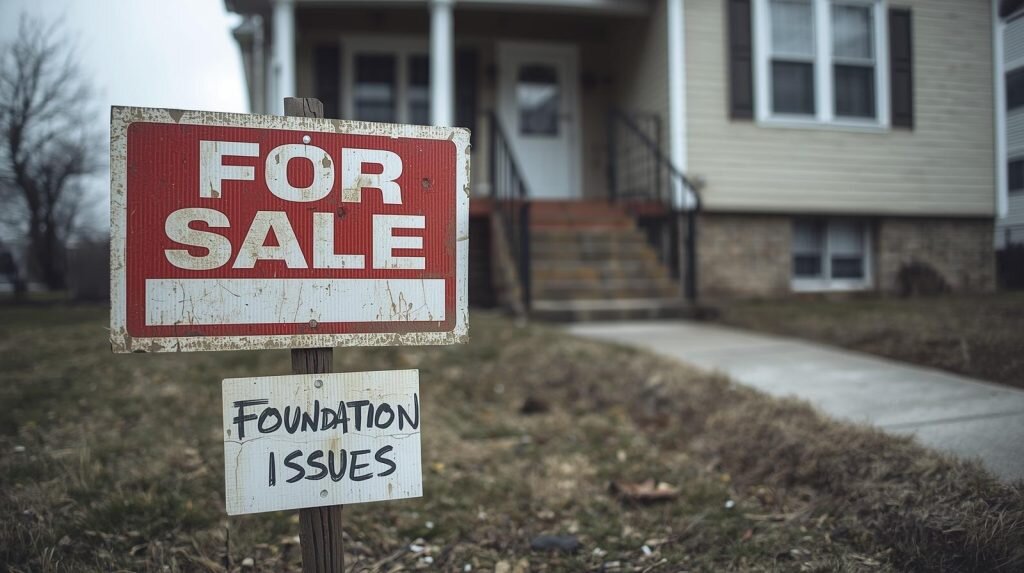
Many home sellers underestimate just how much a problematic foundation can affect a sale. Here’s why such issues tend to scare off conventional buyers — and lenders — making the “fix before sale” route economically unfeasible in many cases.
Common Foundation Problems Homeowners See
Foundation problems can manifest in many ways. Some issues are relatively minor (but still unsightly); others are signs of deeper structural instability. Common warning signs include:
- Cracks in walls, floors, or ceilings — especially large or “step‑style” cracks.
- Doors and windows that stick or don’t close/open properly.
- Uneven, sloping, or sagging floors.
- Walls bowing, bulging, or separating from the floor or ceiling.
- Cracks near doors and windows — often diagonal ones.
- Gaps between trim, frames, or foundation and exterior features (driveways, decks, garages).
- Evidence of moisture, water damage, or drainage problems — especially if the soil or water table around the foundation is unstable.
These signs can understandably alarm prospective buyers. The root causes are often soil shifting, poor drainage or water problems, inadequate original construction, or long-term neglect. For more detailed information on common foundation problems and potential solutions, you can check out this Foundation Repair Guide.
How Foundation Issues Impact Sale Value and Buyer Interest
- Reduced pool of buyers — Many buyers rely on mortgage financing. Lenders may refuse loans for homes with structural issues or demand costly repairs before approving. That automatically excludes a large segment of potential buyers.
- Lower appraisal values — Appraisers and lenders factor in repair estimates for foundation problems. Even small defects can reduce the appraised value substantially.
- Longer time on market — Homes with foundation issues tend to stay listed longer because many buyers are hesitant. The longer the home sits, the more stress and carrying costs for sellers.
- Potential for failed inspections or renegotiations — Even if a buyer seems interested, once a home inspection reveals structural issues, they may walk away or demand significant price reductions or repair credits.
- Repair costs may be high, and ROI uncertain — Fixing foundation problems can get expensive. Some homeowners spend thousands without being sure they’ll recoup that expense in the sale price.
Given all these factors, selling a home with foundation issues via traditional methods often becomes a tough, time‑consuming, and financially risky endeavor — unless you take a different path.
If You Have Foundation Issues — Your Main Selling Options
When you discover structural problems with your home’s foundation, you basically have two main choices: attempt repairs and sell conventionally, or sell “as-is.”
Option A: Repair the Foundation Before Selling
Pros
- You may fetch a higher sale price. A stable foundation makes the property more attractive to standard buyers who rely on financing.
- The home will potentially sell faster among traditional buyers (no major red flags on inspection).
- You avoid complicated disclosure issues and potential liability for hidden defects after sale.
Cons
- Repairs can be costly — depending on the problem severity, foundation work is often not cheap.
- There’s no guarantee of recouping full repair cost in sale price.
- Repairing may take time and delay listing and sale.
- Even after repair, some buyers might still discount the home, due to perceived risk or neighborhood comparables.
Because of these trade‑offs, many homeowners find that repairing isn’t economically viable — especially if they don’t have the time, resources, or desire to manage major structural work.
Option B: Sell the Home “As-Is” — Especially to Cash Buyers or Investors
For many owners, selling as-is becomes the most practical option. This is often the fastest, least stressful path — especially if you are open to investors or cash buyers who specialize in properties needing work.
What “As-Is” Means
- You sell the property in its current condition — i.e. with foundation issues still present.
- The buyer (often a cash buyer or real estate investor) agrees to purchase knowing the problems, typically at a discounted price to account for repairs and risk.
- There’s no requirement to perform repairs before closing (though you must still disclose known defects).
Pros of Selling As-Is
- Speed — cash buyers don’t need mortgage approval; closing can happen rapidly, sometimes in days or a couple weeks.
- No repair costs or delays — you avoid spending thousands or managing contractors.
- Simplicity — fewer inspections, fewer hurdles; you sell what you have.
- Certainty — many cash buyers are ready to close, and deals rarely fall through because of financing issues or repair demands.
For more information on the benefits and considerations when selling a house as-is, check out this guide from Homelight on Selling Your House As-Is.
Cons of Selling As-Is
- Lower sale price — because you’re selling a damaged property, offers will likely be below market value.
- Smaller buyer pool — only investors or buyers comfortable with renovation will consider a property with structural problems.
- Disclosure obligations & legal responsibility — you must be upfront about known issues, or you risk complications later.
How to Sell Fast for Cash: A Step‑by‑Step Strategy
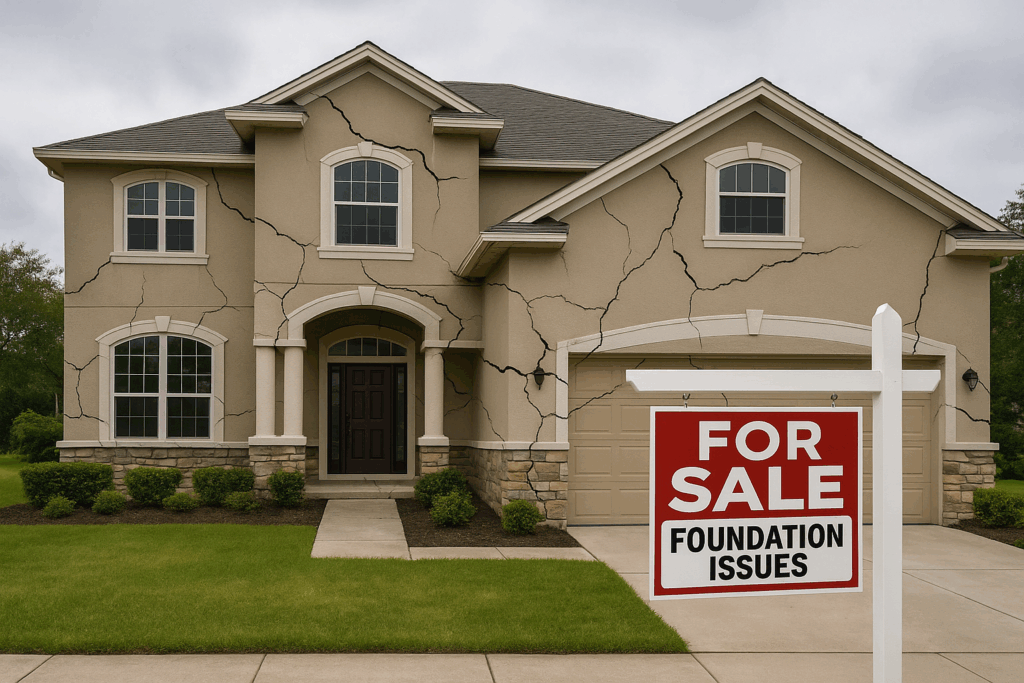
If you decide you want to move forward quickly — without investing in repairs — here’s a structured plan you can follow to maximize your chances of a successful cash sale.
Step 1: Get a Professional Foundation Inspection (Optional but Smart)
Before listing, many experts recommend hiring a licensed structural engineer (or a foundation‑repair specialist) to assess and document the condition.
Why This Helps
- It gives you a credible report to show potential buyers — so they know the issues, how serious they are, and can adjust their offer accordingly.
- It helps you set realistic expectations for offers (since cash buyers will price in repair costs).
- It demonstrates transparency and reduces suspicion or risk of legal troubles after sale.
Even though this inspection costs a few hundred dollars, it can save you time, negotiations, and missed deals down the line.
Step 2: Disclose Honestly and Price Competitively
If you go the as‑is route, full disclosure is key. Hide structural problems and you risk scaring off buyers (or facing legal issues later). Many sellers find success by being upfront — after all, potential buyers need the full picture to decide.
Pricing Strategy
- Use your inspection report to estimate repair costs.
- Look at comparable sales in your area (both for “clean” and “fixer‑upper” properties).
- Expect offers to be discounted — often significantly — to account for the risks and repair work.
- Be realistic. Overpricing invites no interest; too low may leave money on the table.
Step 3: Target the Right Buyers — Investors, Cash Buyers, Flippers
Traditional buyers financing with mortgages are often unable or unwilling to purchase a home with foundation issues. So focus on:
- Real estate investors and house flippers — they often buy houses needing work to renovate and resell.
- Cash‑home buyer companies — many specialize in “as-is” purchases.
- Rehabbers or contractors looking for renovation projects.
- Buyers who want to customize and are comfortable doing repairs themselves.
Marketing should highlight the home’s potential (location, lot, layout, “fixer‑upper opportunity”), not gloss over the issues. Emphasize honesty, transparency, and that the home is priced accordingly.
Step 4: Prepare the House for Sale (Even “As-Is” Requires Some Prep)
Selling “as-is” doesn’t mean “don’t do anything.” Some basic steps can make a big difference:
- Clean and declutter the home — removing debris, junk, or obvious mess from neglected corners. A cleaner house sells faster even if it’s flawed.
- Repair any minor items that don’t cost much but improve overall presentation (e.g. fix leaky faucets, broken windows, peeling paint). While these don’t guarantee selling price improvements, they help make the property more appealing.
- Have documentation ready: inspection report, photo evidence of problem areas, and any disclosures required by law. Transparency builds trust.
Step 5: Negotiate Clearly — Accept Repairs/Discounts, Don’t Overpromise
Expect that interested buyers will negotiate hard. Some may ask for repair credits, price reductions, or even walk away. But if you price fairly and are honest about condition upfront, you improve your chances of closing quickly — and avoid delays or renegotiations after the inspection.
Step 6: Close Quickly — Cash Sales Often Move Fast
One of the biggest advantages of selling for cash: deals can close quickly, typically in a matter of days to a few weeks. That’s a big plus if you’re motivated to move, avoid ongoing maintenance, or escape a problematic property.
This speed avoids long waiting periods for inspections, loan approvals, and other traditional delays. It also reduces the risk of buyers backing out due to structural issues.
What to Expect: Price, Offers, and Typical Cash Sale Outcomes
If you choose the cash sale route for a foundation‑problem house, it’s helpful to set expectations properly. Understand that you won’t get full retail value — that’s part of the tradeoff for speed and convenience.
| Scenario / Condition | Likely Buyer | Expected Offer as % of Market Value* | Typical Timeline |
|---|---|---|---|
| Serious structural issues (major cracks, settling, moisture damage) | Investor / Cash buyer / Flipper | 40–60 % | 1–3 weeks |
| Moderate foundation damage (visible cracks, uneven floors, repairable) | Rehab investor / Cash buyer | 50–70 % | 1–3 weeks |
| Mild cosmetic issues (small cracks, minor settling) | Cash buyers / “As‑is” traditional buyers if financing allowed | 65–80 % | 2–4 weeks |
| Fully repaired foundation (pre‑sale) | Traditional buyer with mortgage financing | 80–100 % (depending on market) | 4–8 weeks (standard sale) |
*These ranges are approximate and vary widely based on location, market demand, size/condition of the house, and extent of damage.
For many sellers, the lower offer is worthwhile — especially when compared to the time, money, and stress required to rehabilitate a property fully.
Why Cash Buyers Often Accept Homes with Foundation Issues
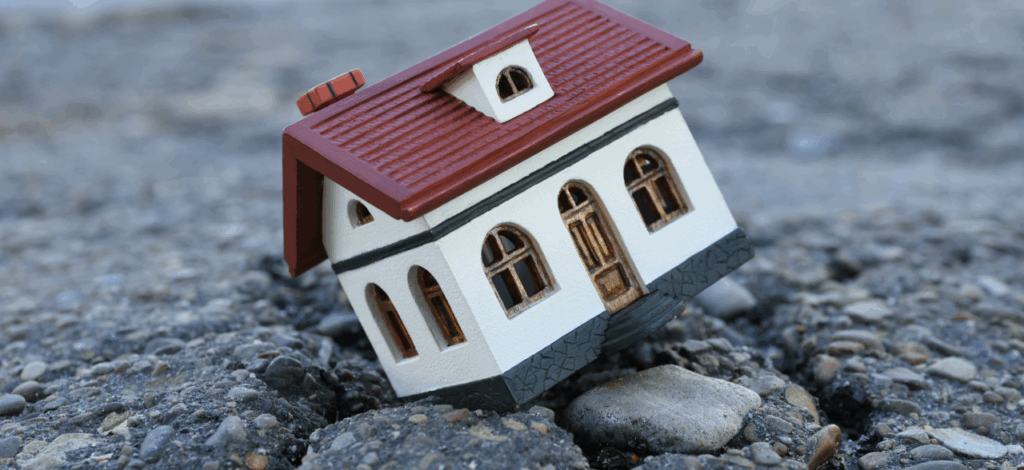
You might wonder: why do investors or cash‑home buyers bother with problematic houses? The answer lies in their business model and outlook — and understanding that helps sellers position their homes better.
- They buy “as-is” — Cash buyers expect flaws; they look for bargains. They calculate the cost of repairs, factor in profit margin, and decide if the deal works for them. They aren’t relying on mortgage lenders who may reject structurally compromised homes.
- They have resources and flexibility — Investors often have access to contractors, renovation expertise, and budgets to rehabilitate homes. They see a house with foundation issues not as a problem, but as a project.
- They want speed and certainty — Because cash buyers don’t depend on slow financing approvals, they can close quickly. That’s often a major advantage for sellers who need to move fast or avoid maintenance costs.
- Lower market competition for such properties — Many buyers won’t touch a house with foundation issues, reducing competition and making it easier for cash buyers to get a deal. For them, this often means more negotiating leverage — and for you, a faster sale.
In short: for cash buyers, the risks and discounts are part of the business. For you, that can be a path to a fast, clean exit.
Legal & Ethical Considerations: Full Disclosure & Transparency
Selling a house with foundation problems comes with serious responsibilities. The consequence of trying to hide defects (or failing to disclose known issues) can include lawsuits, renegotiation demands, or deals falling apart.
- Disclose all known issues — Provide potential buyers with inspection reports, photos, and a clear summary of foundation problems. Honesty builds trust and speeds up negotiations.
- Avoid misrepresenting the condition — Don’t call a structurally compromised home “move-in ready.” That can lead to trouble later.
- Provide written documentation if possible — Inspection reports, foundation assessments, and repair estimates are especially valuable.
- Understand your obligations under Florida real estate law — While laws vary by state, many jurisdictions require sellers to disclose known structural defects. Even when selling as-is, transparency is usually required.
Being upfront not only protects you legally — it can also speed up the sale by enabling buyers to make informed decisions quickly rather than backing out after a surprise discovery.
When Repairing Might Still Make Sense — When to Reflect Before Selling As-Is
Selling as-is is often the easiest route — but in some cases, paying for repairs first may still pay off. Consider repair + sale if:
- The foundation issues are minor or cosmetic (e.g. small hairline cracks) and repair costs are relatively low. In such cases, you may recover repair costs through a higher sale price.
- The home is in a strong, desirable neighborhood, where comparable homes sell quickly and at high prices once in good condition.
- You’ve got time and funds to invest in repairs — and are willing to manage contractors and oversight.
- You prefer a wider buyer pool, appealing to traditional homeowners rather than investors/flippers. A repaired home may attract more offers.
- You want highest possible return, even if it requires effort and resources upfront.
In short: weigh repair cost vs. potential price gain vs. time and stress. Injury‑free sale with quick cash may beat hypothetically higher profits after repair.
Practical Tips for Sellers in Tampa, FL
Since your market is Tampa, Florida, a few local-specific tips and considerations might help — especially given climate, soil conditions, and housing trends. While these aren’t universal, they give context if you plan to target Florida sellers.
- Be aware of soil and drainage issues: Florida soil — especially near coastal or low-lying areas — can shift, hold moisture, or become saturated, increasing foundation stress over time. If water drainage or humidity is a problem, you may want to highlight any drainage fixes or at least disclose known issues.
- Highlight land or lot value: Sometimes, for cash buyers or investors, the land or lot location may be more valuable than the existing structure. Emphasizing lot size, proximity to amenities or infrastructure, or potential redevelopment may help make the property more attractive even with foundation problems.
- Use local comps: When pricing, reference actual sales of comparable “fixer-upper” or “as-is” houses in Tampa to gauge realistic offers. Cash buyers often rely heavily on after‑repair-value (ARV) based on comparable local sales.
- Be ready for quick closing: Since cash buyers like fast deals, have paperwork ready — title, deeds, disclosures, inspection reports — to speed up the process. The faster you respond, the more likely the deal closes smoothly.
- Consider investor networks: Tampa has a real estate investor community — rehabbers, flippers, landlords — who look for discounted properties to renovate or rehab. Tapping into those networks (online or local) can lead to faster offers.
Frequently Asked Questions
1. What Are the Most Common Foundation Issues That Affect Homes in Tampa?
Foundation problems are common in homes due to soil shifting, moisture damage, and improper drainage. The most typical foundation issues include:
- Cracks in walls and floors
- Uneven or sagging floors
- Doors and windows that don’t close properly
- Moisture damage and water seepage in the basement
These issues can significantly impact a home’s structural integrity and market value.
2. Can I Sell a House with Foundation Problems in Tampa?
Yes, you can sell a house with foundation problems. One of the fastest and easiest ways to sell is to opt for a cash sale. Cash buyers are often willing to purchase homes “as-is,” meaning you don’t need to spend money on repairs. Selling for cash allows you to bypass traditional buyers and financing, streamlining the sale process.
3. How Does a Foundation Issue Affect the Value of My Home in Tampa?
Foundation issues typically reduce the value of your home. Cash buyers will likely offer a price that accounts for the cost of repairs, often ranging from 40–70% of the home’s market value. However, the tradeoff is a faster sale, avoiding costly repairs and lengthy negotiations with traditional buyers.
4. Should I Repair Foundation Issues Before Selling My House in Tampa?
It depends on the severity of the damage and your goals. If repairs are minor and affordable, it may increase the sale price and attract more buyers. However, major foundation issues often require expensive repairs, and the ROI may not justify the cost. If you’re looking for a quick sale, selling “as-is” to a cash buyer may be the best option.
5. How Fast Can I Sell a House with Foundation Problems for Cash in Tampa?
Cash sales can close in as little as 7 to 14 days. Cash buyers don’t rely on financing, which speeds up the process significantly. This is ideal for homeowners looking for a fast, hassle-free sale without waiting for long inspection or loan approval processes.
6. What Are the Legal Requirements for Selling a House with Foundation Issues in Tampa?
When selling a home with foundation issues, full disclosure is legally required in Florida. You must inform potential buyers of known structural problems. Failing to disclose foundation issues could result in legal consequences, so it’s essential to be transparent about any damage or repairs needed.
Making the Right Decision for Your Home
Foundation issues don’t have to stop you from selling your home. While these problems may scare away traditional buyers and complicate the sale process, there are effective solutions. Selling your home for cash is a practical and efficient option, allowing you to avoid costly repairs, long waiting periods, and the unpredictability of traditional real estate transactions.
Opting for a cash sale allows you to bypass financing hurdles, close quickly, and move forward without the burden of ongoing repairs. Though the sale price may be lower than if the home were fully repaired, the speed and convenience can outweigh the drawbacks. With proper disclosure, setting realistic expectations, and targeting the right buyers — such as investors or cash buyers — you can still make a fair sale even with foundation issues.
By choosing the right approach and understanding your options, you can sell your home in Tampa efficiently, without the stress and uncertainty that often come with trying to sell a home in need of repair.