
Owning an abandoned property can feel like carrying a heavy burden — especially when the house is sitting vacant, perhaps has deteriorated, and is costing you money every month (taxes, maintenance, liability). If you’re in Tampa, FL, and are considering whether you can sell that house quickly, a cash sale to a willing buyer may be your best option.
In this guide, I’ll walk you through everything you need to know: what counts as an “abandoned property,” why selling for cash makes sense, how the process works in Tampa (with legal and practical considerations), and what to watch out for — so you can make an informed decision (and avoid hassle, delays or scams).
What Makes a Property “Abandoned”?
Definition & Common Signs
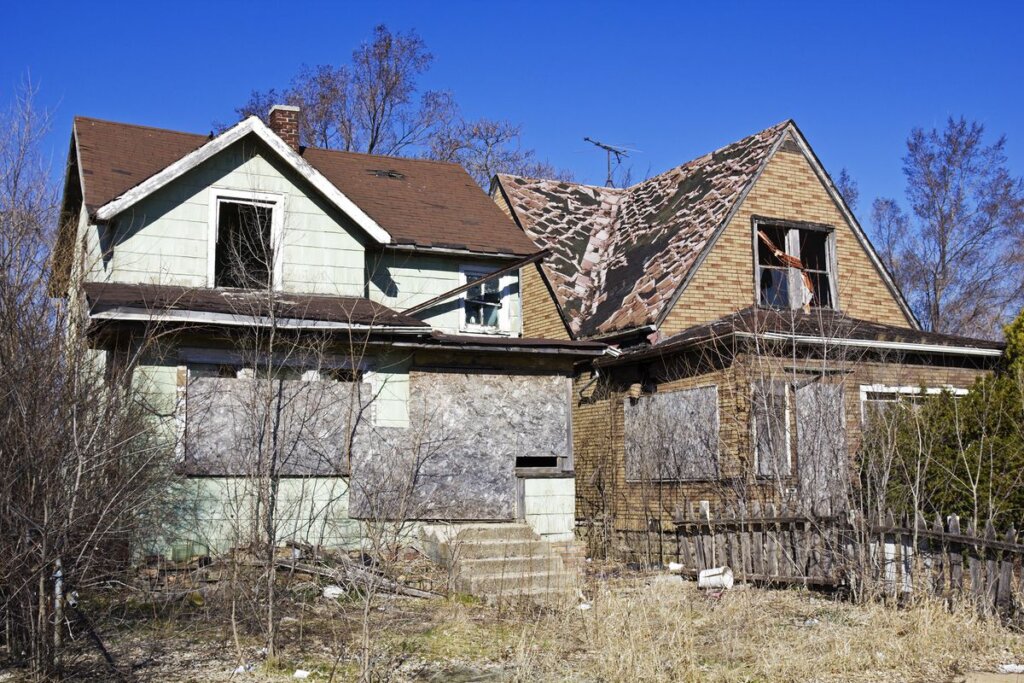
- A property becomes “abandoned” when it is left vacant for an extended time with no ongoing maintenance, and no active owner occupancy.
- Signs may include overgrown landscaping, utilities turned off, lack of maintenance, boarded windows or damage, and no response from owner/tenant for a long time.
Why Abandoned Properties Are Different (and Often Challenging to Sell)
- Because of neglect and disrepair, abandoned homes often come with structural, safety, or code issues. This makes them “less appealing” to average buyers, especially those seeking move-in–ready homes.
- Some abandoned properties may have legal complications: unpaid taxes or liens, unclear title, past code violations, or even unauthorized occupants (squatters).
- Because of these risks, many traditional buyers or lenders shy away — which drives down demand and complicates the selling process.
Because of these challenges, an “as-is cash sale” — i.e., selling the abandoned property in its current condition to a cash buyer — becomes a compelling, often the most realistic path.
Why Sell an Abandoned Property for Cash in Tampa
Here are major reasons many Tampa homeowners choose a cash sale for their abandoned property:
- Speed & Convenience
Cash buyers don’t rely on mortgage financing, so the sale can close fast — often within days or a few weeks. - Sell “As-Is” — No Need for Repairs
Since most cash buyers are investors or companies used to buying distressed or neglected homes, they will often accept the property “as-is” — you don’t need to spend money restoring or “staging” the house. - Avoid Realtor Fees, Repairs, and Listing Hassles
No need to pay for real estate agent commissions, no need for multiple showings, and no need to wait for “perfect” buyer — which is often hard when a property is in rough condition. - Relieve Financial & Legal Burdens
Abandoned properties often bring ongoing costs: property taxes, maintenance, code violations, and risk of vandalism or squatters. A cash sale can free you from those burdens quickly. - Help Revitalize the Neighborhood
Selling an abandoned home to someone willing to fix and rehabilitate it can improve the safety and aesthetics of the neighborhood — which may matter if you care about community impacts.
Overall: for many people stuck with a house they cannot maintain or simply want out of — a cash sale is often the fastest, simplest, and most certain path.
How to Sell an Abandoned Property in Tampa: Step‑by‑Step
Here is a realistic step‑by‑step roadmap to selling your abandoned home for cash in Tampa:
Step 1: Evaluate the Property’s Condition
Before you approach any buyer, it helps to honestly assess the state of the property. This helps you set expectations, and helps a cash buyer plan accordingly. Below is a quick table of common issues and their typical impact:
| Issue | Common repair cost considerations | Impact on sale / value |
|---|---|---|
| Structural damage (foundation, walls, roof) | High — may require contractors, permits | Big reduction in value; may limit buyer interest or lower offer |
| Water damage / leaks / mold / mildew | Moderate to high — remediation, mold removal, plumbing/roof repairs | Health/safety risks; major demerit for conventional buyers, but cash buyer may still proceed with discount |
| Pest infestation / termite / rodents | Moderate — extermination + possible structural remediation | Reduces value, may scare off some buyers |
| Overgrowth / yard neglect / exterior damage | Low to moderate — cleanup, landscaping, possible exterior repair | Cosmetic issue — affects curb appeal, but less critical for investors |
| Code violations / safety hazards / neglected utilities | Varies — may require inspections or contractor work | Complicates sale; may increase buyer’s cost, reducing offer |
This “realistic evaluation” helps you understand what you might get — and helps you choose a buyer accordingly.
Step 2: Understand the Legal & Title Situation
Because the property is abandoned, there may be legal or administrative complications — especially around title, liens, unpaid taxes, or municipal code violations. In Florida, there are laws governing abandoned property and required procedures.
If there are outstanding liens, taxes, or unclear ownership, a cash buyer (especially an investor) may still proceed — but they will adjust their offer accordingly. Sometimes, clearing up title can speed up the sale; other times, cash investors specialize in “as-is” troubled properties. For information on how unpaid property taxes and liens are handled in Florida, you can refer to Florida Tax Liens: Acquisition, Redemption, and Legal Process.
Step 3: Contact Cash Buyers / Investors / House‑Buying Companies
Once you know roughly what condition the house is in (and whether the title is clean or salvageable), the next step is to reach out to cash buyers. Some things to keep in mind:
- Seek multiple offers — this helps you compare and avoid low-ball deals. Many cash buyers may try to exploit abandonment; comparing helps you stay fair.
- Ask buyers to show proof of funds or ability to close quickly — legit cash buyers should be ready to complete the purchase without financing delays.
- Be transparent and honest about the condition — honesty helps avoid future disputes or renegotiations.
Step 4: Review Offers & Terms Carefully
When you receive an offer, it’s not just about the headline number. Review the fine print:
- Does the offer assume “as-is”? Or does it expect repairs/negotiations?
- Are there any hidden fees, contingencies, or long delays?
- Will the buyer handle closing costs, title transfer — or will you?
- What’s the closing timeline? A good cash deal may close within 7–14 days, depending on readiness.
Step 5: Close the Sale, Transfer Title, Sign Paperwork
Once you accept an offer:
- You’ll complete paperwork required for the sale — deed transfer, property disclosures, settlement documents. Proper title transfer is critical in Florida.
- The sale may proceed “as-is,” meaning the buyer accepts the property in its current condition. That’s common with investors specializing in distressed or abandoned homes.
- Once all documents are signed and funds released, ownership changes hands — you walk away with cash, and relieved of maintenance, liability, or further costs.
Because this process avoids many of the delays of conventional sales (repairs, showings, financing contingencies), it tends to be faster and more predictable.
Typical Timeline: Cash Sale vs Traditional Sale
Here’s a comparison of selling methods and approximate timelines:
| Sale Method | Typical Timeframe (from decision to closing) | What it Involves / Considerations |
|---|---|---|
| Traditional Sale (with agent, listing, showings) | 1–3+ months (or more) | Listing prep, repairs/cleanup, showings, financing contingency, inspections, title closing, negotiations. Often uncertain and drawn-out. |
| Cash Sale (as-is, with cash buyer) | 7–14 days (sometimes a few weeks) | Buyer submits offer quickly → you accept → paperwork → title transfer → cash in hand. Much faster, fewer steps. |
For abandoned properties — which often need extensive repair or are less attractive to traditional buyers — a cash sale often wins on speed, simplicity, and certainty.
Pros & Cons of Selling an Abandoned Property for Cash
Advantages
- Fast, straightforward sale — less waiting, fewer delays.
- Sell “as-is” — no need to repair, clean up, or renovate.
- Avoid real estate commissions, staging, or listing hassles.
- Relief from ongoing expenses or risks — taxes, liability, vandalism, or code violations.
- Potential to close even with title issues or property damage — cash buyers are often experienced with distressed properties.
Disadvantages / Trade‑offs
- Lower sale price: Because of the condition and risk, cash offers tend to be below market value. Investors will discount heavily to allow for repairs and rehab.
- Smaller pool of buyers: Many homebuyers avoid distressed or abandoned houses; you’re mostly appealing to investors or specialized buyers.
- Possibility of scams or shady buyers if you don’t vet carefully. Some buyers may offer very low or unfair deals.
- You need clarity on legal and title matters, or the sale could be delayed or invalid.
Common Challenges & Legal Considerations in Tampa / Florida
Selling an abandoned property in Tampa (or anywhere in Florida) isn’t always straightforward — there are legal and practical hurdles.
Title & Liens, Unpaid Taxes, Municipal / Code Violations
- Under Florida law, “abandoned property” may trigger specific statutory procedures, especially when the property has been neglected for a long time. The state may have oversight on lost/abandoned property. You can refer to Florida Statute 705.101 for detailed guidance on abandoned property laws. Florida Statute 705.101 – Abandoned Property provides the legal framework for dealing with abandoned property.
- Outstanding liens — unpaid taxes, code violation fines — can cloud the title. Buyers will factor these costs in or require you to clear them. Alternatively, some investors accept them but adjust offers accordingly.
Risks with Occupants — Squatters or Unlawful Possession
- Abandoned homes sometimes attract squatters or unauthorized occupants. Selling with such issues can complicate closing or lead to legal entanglements.
- A cash buyer might be willing to deal with these issues — but you need to be upfront about occupancy status. If local authorities or eviction laws are involved, it may delay closing or reduce the sale price.
Disclosure & Legal Compliance
- Even “as‑is” sales require proper disclosure of known defects or hazards (structural damage, code violations, mold, water damage, etc.). Punching holes in paperwork or misrepresenting property condition can result in legal risks.
- It may help to get legal or real estate‑title advice if the property has a complex history.
Potential Municipal or Government Action
- Local authorities in Florida can impose fines, liens, or even take control of neglected properties to protect community safety.
- Prolonged neglect may worsen the liability — making selling more complicated.
Because of these challenges, it’s often wise to work with a cash buyer experienced in distressed or abandoned properties (many investors specialize in such properties).
What to Look For in a Reputable Cash Buyer — How to Vet Offers

If you go the cash‑buyer route, not all offers are equal. Here’s what you should check to protect yourself:
- Proof of funds or ability to close quickly — a serious buyer should show they have cash or financing ready.
- Transparent and itemized offer — what is their offer accounting for? Repairs? Title issues? Closing costs?
- Clear timeline — how soon can they close? 7 days? 14 days? 30 days? Vague timelines may signal problems.
- Written contract with contingency disclosures — including full disclosure of the “as-is” condition, any known issues, and acknowledgment of no required repairs on your part.
- Good reputation and references (if possible) — check reviews, ask for past deals, or ask fellow sellers for feedback.
As a seller, you hold significant power — especially if the property is genuinely abandoned and others may not want the hassle. Getting multiple offers helps you stay in control.
When a Cash Sale Makes the Most Sense — And When It Might Not
Best Cases for Cash Sale
- Property is significantly neglected — structural issues, water damage, mold, overgrowth, etc.
- Title status may be complicated — unpaid taxes, liens, code violations.
- Owner wants a fast exit — maybe due to financial issues, relocation, inheritance, or other urgent needs.
- Owner doesn’t want to invest money into repairs, cleaning, or renovations.
- Owner wants certainty — no waiting for financing, appraisals, or lengthy listing periods.
When You Might Consider Other Options (or At Least Get Multiple Opinions)
- Property is in good condition or only needs minor cosmetic fixes — you might get a better price on the open market or with a real‑estate agent.
- You can afford repairs/improvements, and you’re not in a hurry — a renovated or cleaned-up home may fetch more value.
- Title, liens, occupancy and legal issues are clean — making a traditional sale less risky than a distressed one.
In many cases the owner’s time horizon, financial situation, and willingness to invest in repairs or cleanup dictate which route makes sense.
FAQs — Answers to Common Questions About Selling Abandoned Property for Cash in Tampa
Q: Can I sell an abandoned property if I don’t have a clean title or there are liens/ taxes unpaid?
A: Yes — many cash buyers specialize in distressed properties with liens or other issues. They will factor the costs of clearing title into their offers, which may lower the offer price. It’s wise to be transparent about these burdens — trying to hide them may void the deal later.
Q: What happens if there are squatters or illegal occupants?
A: That complicates things. Some cash buyers may handle eviction or legally take over the property — but this affects their offer. Disclose occupancy status early. If local authorities or eviction laws are involved, it may delay closing or reduce the sale price.
Q: Do I need to make any repairs or cleanup before selling “as-is”?
A: Not necessarily. “As‑is” means you sell in current condition — buyer assumes risk of repairs. That said, some minimal cleanup or making the property accessible may improve the offer, but is not required.
Q: How fast can a cash sale close in Tampa?
A: Often within 7 to 14 days, depending on buyer readiness and how clean the title is. This is much faster than a traditional sale, which can take months.
Q: Will I get a fair price even if the house is abandoned and damaged?
A: Probably less than market value — because the buyer takes on risk and costs. But in exchange, you get speed, certainty, and relief from ongoing burden. It’s a trade-off many owners accept when the property is burdensome.
Is Selling an Abandoned Property for Cash Right for You?
If you own an abandoned property in Tampa, FL — a home that’s been vacant for months (or years), likely damaged or neglected, maybe with legal liabilities, and you just want out — selling it for cash is often the most realistic, least stressful, and fastest way to move on.
You won’t get “top dollar,” but you’ll gain freedom: no more taxes, maintenance, liability, or uncertainty. A cash sale offers certainty, speed, and peace of mind.
On the other hand, if the property is in decent shape, you have time or money to invest in repairs, or you prefer to get closer to market value — you might explore other options (traditional sale, listing with real estate agents, cleaning up and reparing, etc.).
Ultimately, the “right” decision depends on your priorities: speed & convenience vs maximum return — and how much hassle you’re willing to accept.
If you decide you want to move forward, take your time vetting buyers carefully: get multiple offers, confirm proof of funds, review the offer details and timeline thoroughly, and be honest about property condition — this will protect you and help you reach a fair deal.