

If you own a high‑end home in Hyde Park or Palma Ceia, Florida that’s seen better days — a property with grand bones but in need of repairs — you may be wondering: Is it still possible to get a good price? Or should I invest in renovations before listing?
Selling a luxury fixer‑upper in such desirable neighborhoods presents unique challenges — and unique opportunities. On one hand, buyers expect top quality in Hyde Park and Palma Ceia. On the other hand, there is strong demand for prime-location properties among investors and buyers willing to restore and customize.
This article dives deep into what it means to sell a luxury fixer-upper in Hyde Park and Palma Ceia: from understanding the market, evaluating renovation vs “as‑is,” preparing the house, pricing strategies, marketing, to navigating common pitfalls. By the end, you’ll have a clear roadmap to maximize your returns, whether you renovate or sell as-is.
What is a Luxury Fixer‑Upper Home?
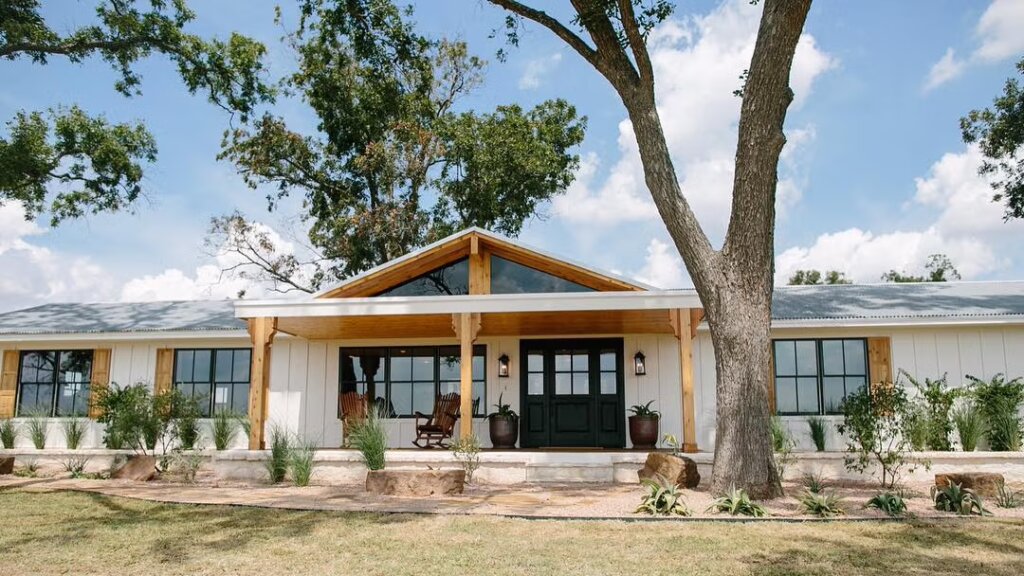
Definition and Key Characteristics
A “luxury fixer-upper” refers to a home that:
- Is located in a high-value, desirable neighborhood — in this case, Hyde Park or Palma Ceia.
- Has architectural value, historic charm, or premium lot/size — e.g., large square footage, mature landscaping, distinctive design, proximity to amenities.
- Needs major or moderate renovation — structural updates, cosmetic refresh, modern upgrades (kitchen, bathrooms, HVAC, plumbing, roof, etc.).
- Has a potential resale value well above current condition value — meaning that even after repairs, the home could compete among high-end renovated homes in the area.
These homes are different from run-of-the-mill “handyman specials.” The “luxury” aspect means there’s latent value: buyers/investors may see a chance to restore charm, increase value significantly, or enjoy long-term prestige/resale value.
Why Luxury Homes Are Ideal Fixer-Uppers
For many sellers, luxury fixer-uppers represent an opportunity for high return on investment (ROI). With the right renovations, these properties can:
- Gain significant value appreciation — because finished, high-end homes in Hyde Park/Palma Ceia command top dollar.
- Attract wealthy buyers or investors — those looking for upscale homes with character but open to customizing finishes.
- Stand out in the market — fewer houses combine large lots, upscale location, and renovation potential, creating less direct competition than typical suburban fixer-uppers.
Why Selling a Fixer‑Upper Is Different (vs Standard Homes)
Challenges of Selling a Fixer‑Upper
Selling a fixer-upper—especially a luxury one—involves navigating a few hurdles:
- Disclosure and Condition Expectations: Buyers expect honesty about issues (plumbing, foundation, roofing, electrical). The perceived “risk” of hidden problems can turn away many.
- Higher Price Sensitivity: Because of required repairs, buyers/investors will expect discounts relative to market value.
- Limited Buyer Pool: Traditional homebuyers seeking turnkey properties may pass; likely buyers are investors, flippers, or buyers prepared for renovation — which narrows demand.
- Financing Obstacles: Some buyers rely on conventional or jumbo loans. Lenders may hesitate to finance severely distressed properties, so cash buyers or investors with ready funds often dominate.
Advantages in Hyde Park and Palma Ceia
Despite challenges, there are compelling reasons why selling a fixer-upper here remains attractive:
- Strong Demand for Location: The prestige, walkability, proximity to Tampa’s urban core, and lifestyle amenities draw affluent buyers and investors.
- Scarcity of Distressed Luxury Homes: Because there aren’t many “luxury fixer-uppers” in top neighborhoods, your property may stand out.
- Investor Interest: Flippers and renovation specialists often target properties in prime areas — they know end buyers will pay a premium for updated homes in Hyde Park/Palma Ceia.
- Flexibility: You could choose to renovate selectively (e.g., just key areas) or sell “as‑is,” depending on your time, budget, and desired return.
Should You Renovate Before Selling?
Deciding whether to renovate before selling is one of the most important choices you’ll make. There is no one-size-fits-all answer — it depends on your property, budget, timeline, and risk tolerance.
Pros and Cons of Renovating
Pros
- Increased Sale Price & Value Perception
Renovations deliver visible upgrades (kitchens, baths, flooring, paint, landscaping), which significantly raise the perceived value. A modernized luxury home in Hyde Park or Palma Ceia can fetch a premium. - Wider Buyer Pool
Turnkey homes appeal to traditional buyers, families, or retirees who don’t want renovation hassle. This expands potential demand beyond investors and flippers. - Faster Sale Process
Homes needing minimal work tend to close faster — fewer contingencies, less buyer hesitation. - Better Return on Investment (If Done Right)
Strategic upgrades (e.g., kitchen, master bath, curb appeal) tend to have high ROI — often yielding more value than the renovation cost, especially in upscale markets.
Cons
- High Upfront Costs and Time
Renovating a large or old luxury home can be expensive and time-consuming — sometimes several months or more. - Uncertain ROI
Over-improving relative to the neighborhood or buyer expectations can reduce ROI. If you invest too much in high-end finishes, you may not recover the full cost at sale. - Market Risk & Carrying Costs
During renovation, you still pay taxes, insurance, maintenance, and utility costs. If the market dips, anticipated sale price may not justify the investment.
When Not to Renovate — When “As-Is” Makes Sense
You may lean toward selling as-is if:
- You need a fast sale — for example due to financial pressure, relocation, or other time-sensitive reasons.
- The cost of renovation exceeds expected return — especially if structural issues, outdated layout, or major plumbing/electrical upgrades are needed.
- You don’t want to manage a costly, time‑consuming renovation project.
- There’s a strong investor or cash‑buyer market for as-is fixer-uppers in Hyde Park/Palma Ceia.
Understanding the Hyde Park & Palma Ceia Market
Neighborhood Overviews
Hyde Park
Hyde Park is one of Tampa’s oldest and most affluent neighborhoods. With historic homes, tree-lined streets, walkable local shops, restaurants, parks, and easy access to downtown Tampa, it’s consistently popular among professionals, families, and older buyers seeking charm and convenience. For sellers, Hyde Park’s status means high demand — but also high expectations for home condition and finishes.
Palma Ceia
Palma Ceia offers a more suburban yet upscale feel: quiet, green streets, large lots, mature landscaping, and proximity to desirable amenities such as golf courses, recreational clubs, and top-tier schools. It tends to attract established professionals, affluent families, retirees — people willing to pay a premium for privacy, space, and prestige.
What Buyers in These Areas Typically Look For
- Move-in ready condition — especially kitchens, bathrooms, roof, HVAC, plumbing.
- Modern layout and finishes — open floor plans, updated lighting, hardwood or luxury flooring.
- Curb appeal and landscape — mature trees, clean exterior, fresh paint, updated driveway or walkway.
- Desirable lot and neighborhood benefits — good access to downtown, schools, walkability, privacy.
Because of these expectations, fixer-uppers in these areas often sell at a discount vs turnkey homes, but that discount may still translate to significant dollars due to the high base value of the location.
Preparing Your Luxury Fixer‑Upper for Sale
Once you decide to sell, whether renovated or as-is, how you present and prepare the property makes a real difference. Preparation can make the difference between a quick close and a home sitting on the market.
Step-by-Step Preparation Guide
1. Get a Professional Inspection & Evaluation
- Hire a licensed home inspector to assess structural issues, roof, foundation, plumbing, electrical, HVAC, mold, termite damage, etc.
- Document issues and prepare a clear summary of what needs work. This helps potential buyers or investors quickly see the potential — and may streamline negotiations.
2. Prioritize Repairs and Cosmetic Fixes (If Renovating)
If you choose to renovate, start with high-impact, high-ROI areas:
- Kitchen: Update cabinets, countertops, appliances if outdated. Even minor cosmetic updates (fresh cabinet paint, new hardware, updated lighting) can significantly raise appeal.
- Bathrooms: Fix any plumbing issues, replace dated fixtures, refresh tile or flooring.
- Flooring and Paint: Old or damaged floors reduce perceived value; refinishing hardwood or installing modern flooring pays off. Fresh, neutral paint can refresh the whole feel of the home.
- HVAC/Roof/Systems: If these are outdated or broken, they must be addressed — major systems are critical to buyers/investors.
- Curb Appeal: Landscaping, driveway, exterior paint, clean walkways, trimmed trees/shrubs — first impressions matter a lot, even for fixer-uppers.
3. Clean, Declutter & Stage Strategically
Even if you plan to sell as-is, cleaning, decluttering, and minimal staging help buyers imagine the potential.
- Remove personal items and excessive clutter.
- Do a deep clean, including windows, floors, walls — make the home look as presentable as possible.
- For key rooms (living room, master bedroom, kitchen), consider low-cost staging — neutral furniture or even minimal props (e.g., plants, nice lighting) helps envision the home’s possibilities.
4. Prepare Documentation & Disclosures
- Have inspection reports, repair estimates, permit history (if any), and disclosure forms ready. Transparency builds trust — especially crucial with fixer-uppers.
- Provide a “Potential Value Summary” — what the home could be like after renovation (e.g., rough before/after estimate, possible resale value, neighborhood comps). This is especially helpful for investor buyers.
Pricing Your Luxury Fixer‑Upper: Strategy & Considerations
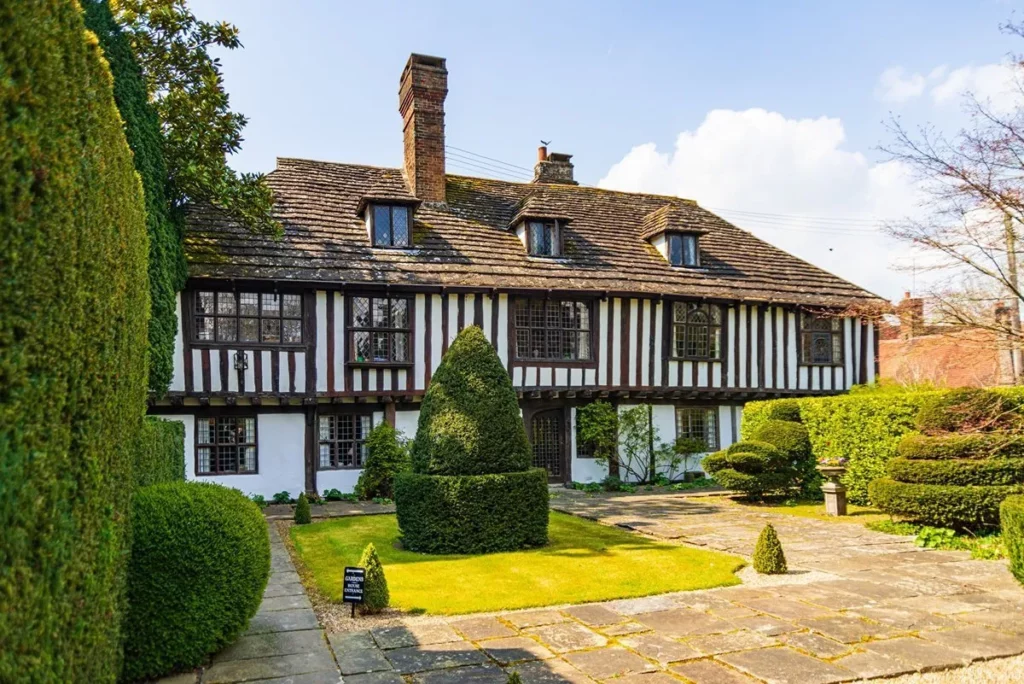
Getting the price right is perhaps the most important factor. Price too high → no interest. Price too low → potential loss. Your pricing strategy determines buyer attraction, speed of sale, and ultimate profit or loss.
Key Factors in Pricing
- Current Home Condition: Costs of needed repairs and renovations must be factored in. Buyers will discount accordingly.
- Local Comparable Sales (“Comps”): Compare with similar homes in Hyde Park/Palma Ceia — both renovated homes and any recent fixer-upper sales.
- Market Demand & Timing: Real estate markets fluctuate. If demand is high (low inventory in upscale neighborhoods), prices can stay firm. If demand is soft, you may need to price below market to attract investors.
- Target Buyer Type: If hoping for traditional buyers, price higher (after renovation). For investors or cash buyers, consider pricing lower to factor in their rehab cost and risk tolerance.
Example Pricing Strategy (Hypothetical Scenario)
| Scenario | Condition | Target Buyer | Suggested Price Strategy |
|---|---|---|---|
| Full renovation done | Turnkey luxury home | Traditional buyers (families, retirees) | Price near top of neighborhood range (market value minus small margin) |
| Only structural repairs done + cosmetic cleanup | Moderate-quality home | Investors or value-conscious buyers | Price ~15–25% below renovated comps |
| As-is with major renovation needed | Cash buyers, fix-and-flip investors | Investors only | Price significantly below market value — enough discount to justify rehab costs |
Tip: It may be better to price slightly under market for fixer-uppers — a modest discount can attract serious investors quickly rather than waiting months for the perfect buyer.
For more detailed guidance on how to price your home for sale, you can refer to this comprehensive pricing guide by Redfin.
Marketing Your Luxury Fixer‑Upper
Marketing is more than listing on MLS — it’s about telling a story and appealing to the right audience. For luxury fixer-uppers, you want to highlight potential, investment value, location advantages, and flexibility.
Effective Marketing Strategies
Professional Photography (and “What-If” Visualization)
- Hire a real‑estate photographer to take high-quality photos. Clean, well-lit images make even distressed properties look better.
- For renovated or partially renovated homes, consider virtual staging or “before/after” renderings to help buyers envision the final potential.
Clear, Honest Listings with Value-Oriented Language
- Use language such as “Investor / renovation opportunity,” “Prime Hyde Park/Palma Ceia location,” “Great value-add potential,” “As-is sale,” “Gated price for quick close,” etc.
- Include a summary of estimated renovation costs or a renovation plan — this helps serious buyers gauge the value quickly.
- Emphasize location perks: proximity to downtown, cultural amenities, schools, walkability, neighborhood prestige.
Targeted Advertising & Outreach
- List on investor-friendly real estate platforms (investment property marketplaces, “fixer-upper” categories).
- Use social media (especially local community groups, real estate investment groups) and targeted ads to reach investors.
- Collaborate with local real estate agents familiar with investment buyers, flippers, or luxury home investors in Hyde Park/Palma Ceia.
Highlight Selling Advantages
- If selling as-is, stress quick closing, no need for repairs, flexible terms, and cash offer readiness.
- If partially renovated: highlight updated systems (HVAC, plumbing, electrical), permit history, structural soundness — big positives for buyers wary of major hidden problems.
Selling “As-Is” vs Renovating — What’s Right for You?
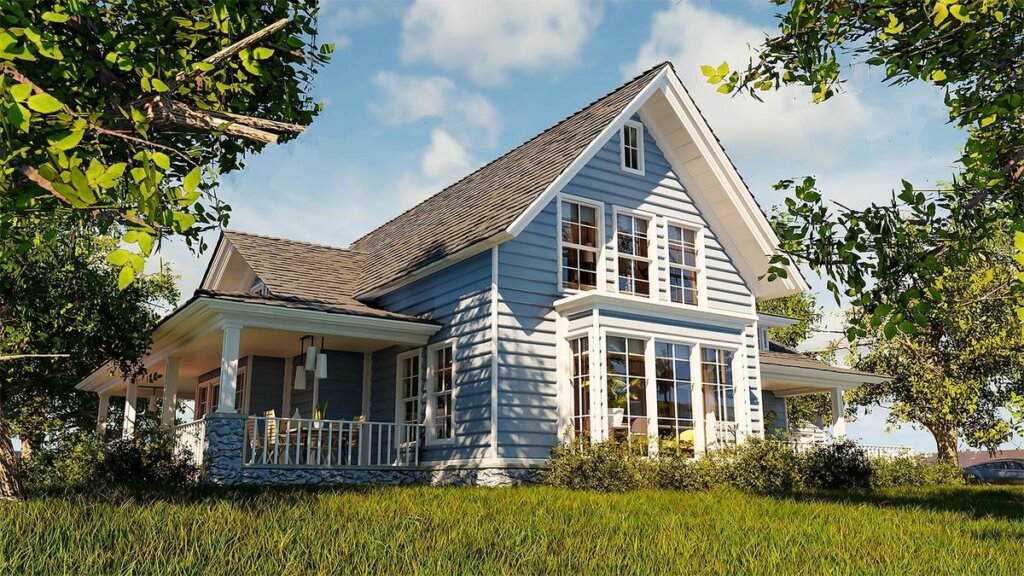
When Selling “As-Is” Makes Sense
- You need to sell quickly (relocating, financial reasons, time constraints).
- The property requires major repairs, and renovation cost could be prohibitive.
- You prefer a hands-off, minimal-effort sale — avoid dealing with contractors, timelines, delays.
- There is a strong market of cash buyers or investors for fixer-uppers in Hyde Park/Palma Ceia.
Advantages of As-Is Sale:
- Fast sale process.
- No extra expenses or renovation hassles.
- You transfer risk to buyer — buyer assumes cost and effort of updates.
Disadvantages:
- Sale price is significantly lower than fully renovated value.
- Fewer buyers (mainly investors), which can limit demand and competition.
- May attract low-ball offers — buyers may expect deep discounts because of perceived risk.
For more information on selling a home as-is and how to approach the process, check out this comprehensive guide from Bankrate.
When to Renovate Before Selling
- You have the time and capital to invest in the renovation.
- You believe the market can reward upgrades — i.e., buyers willing to pay premium for move-in ready luxury homes in Hyde Park/Palma Ceia.
- You aim for maximized return rather than just a fast sale.
- You want to appeal to traditional buyers, not just investors — families, retirees, long‑term residents.
Advantages of Renovating:
- Higher sale price and better buyer interest.
- Broader buyer pool.
- Faster sale once listed (less hesitation, fewer contingencies).
Disadvantages:
- Upfront cost, time, and risk.
- Carrying costs during renovation (taxes, insurance, utilities).
- Market risk — if local real estate values shift, returns may be lower than expected.
Benefits of Selling to a Cash Buyer
Selling to a cash buyer can be a good option, especially for fixer-uppers. Here’s why:
- Quick Closing: Without financing contingencies (like mortgage approval), closures can happen in weeks.
- As-Is Purchase: Cash buyers often accept properties in “as-is” condition — no need to do repairs or invest in renovation.
- Minimal Paperwork and Contingencies: This simplifies and speeds up the process — fewer inspections, fewer delays.
- No Real Estate Commissions (if selling directly): Can save you thousands in agent fees, which makes accepting a slightly lower sale price more palatable.
- Less Risk & Hassle: For sellers who prefer low stress, cash sales reduce uncertainty around buyer financing, inspection renegotiations, or fall-throughs.
These benefits often outweigh a slightly lower sale price — especially when time, cost, or effort of renovation is high.
Common Mistakes to Avoid When Selling a Luxury Fixer-Up
Selling a fixer-upper in a premium neighborhood requires strategy and care. Here are common pitfalls:
Mistake #1: Overpricing the Property
Pricing based on ideal renovated value — rather than actual condition — repels serious buyers. An inflated asking price can result in your property languishing on the market.
Mistake #2: Ignoring Curb Appeal
Buyers form strong first impressions. If the exterior, yard, or driveway looks neglected, many will mentally subtract thousands from value — or simply move on.
Mistake #3: Skipping Essential Repairs that Buyers Expect
Major issues (roof leaks, structural damage, faulty wiring/plumbing, HVAC failures) must be disclosed. Hiding them reduces trust — or leads to inspection delays or failed deals.
Mistake #4: Poor Presentation & Marketing
Bad photos, vague listings (“needs work”), no indication of potential or layout — all discourage interest. Without proper staging or visual help (even conceptual renovation plans), buyers struggle to imagine what the home could become.
Mistake #5: Not Understanding Buyer / Investor Psychology
Some sellers expect “full‑market price” even for houses with major deferred maintenance. This ignores that buyers/investors factor in risk, repair cost, renovation timeline, and resale uncertainty.
A Sample Timeline & Checklist for Selling a Luxury Fixer‑Upper
Whether you renovate or sell as-is, having a clear timeline and checklist helps avoid confusion and delays.
Sample Timeline (As-Is Sale with Cash Buyer)
| Week | Action Item |
|---|---|
| 1 | Hire a home inspector & get a condition report; decide sale strategy. |
| 2 | Clean, declutter, and deep clean property interior and exterior. |
| 3 | Photograph property; prepare listing description with honest assessment and renovation potential. |
| 4 | Reach out to cash buyers, investors, real estate agents specialized in fixer-uppers. |
| 5–6 | Review offers, negotiate price & terms (closing date, contingencies, disclosures). |
| 6–8 | Accept offer, sign contract, and proceed with closing (title search, paperwork). |
Sample Timeline (Renovate then Sell)
| Phase | Action Item |
|---|---|
| Planning & Budgeting | Hire inspector → list necessary repairs and upgrades → get contractor bids → set renovation budget and expected resale value. |
| Renovation (1–4 months) | Structural repairs → systems upgrade → kitchen/bath/flooring/paint → landscaping/exterior work → final cleaning & staging. |
| Listing & Marketing (1–2 weeks) | Professional photography → staging → listing on MLS and investment / luxury home platforms; outreach to agents and potential buyers. |
| Sale Process (2–4 weeks) | Receive offers → negotiate → accept best offer → inspections, disclosures, close. |
Pre‑Sale Checklist (Regardless of Route)
- ☐ Home inspection report ready
- ☐ Property cleaned, decluttered, safe, with no hazards
- ☐ Photographs (or virtual staging/renderings if applicable)
- ☐ Honest listing description highlighting both current condition and potential
- ☐ Disclosure documents & renovation history (if any)
- ☐ Clear terms for sale (as-is or renovated, closing timeline, contingencies)
Wrapping Up the Process of Selling Your Luxury Fixer‑Upper Home
Selling a luxury fixer-upper home in Hyde Park or Palma Ceia can be a lucrative — but complex — endeavor. Whether you choose to renovate before sale or sell as-is, success depends largely on understanding the local market, pricing strategically, preparing the home properly, and targeting the right buyers (investors, cash buyers, or traditional buyers depending on home condition).
If you want a quick, low-hassle sale, selling “as-is” to a cash buyer or investor is often the most efficient route — especially when renovation costs and time outweigh potential ROI. On the other hand, if you have the resources and time, investing in key upgrades can unlock maximum value and attract a broader, higher-paying buyer pool.
Ultimately, the decision comes down to your goals, timeline, and how much you’re willing to invest in the process. By following the steps above — from inspection and realistic pricing to honest marketing and clean presentation — you can maximize your chances of a successful sale.
If you’d like help building a renovation‑vs-sale financial projection (repair cost vs expected sale price), or a starter listing draft tailored to Hyde Park / Palma Ceia, just let me know — I can help you put that together.